
Tensions Persist as Iran, US Engage Indirectly Through Pakistan
Iran’s foreign minister meets Pakistan’s military leadership as Islamabad hosts indirect US-Iran talks, while ceasefire tensions persist in Lebanon and diplomatic efforts continue across the region.
WORLD NEWSFEATURED
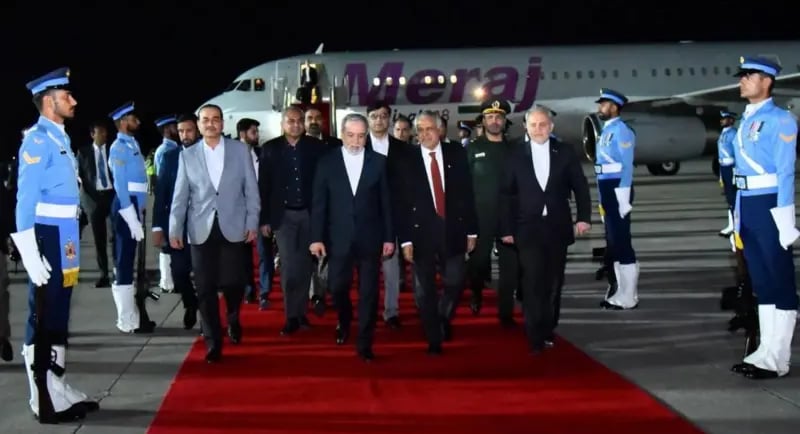
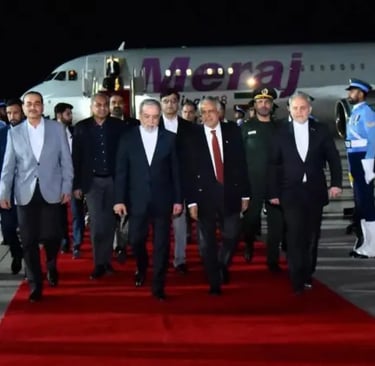
Abbas Araghchi has held talks with Pakistan’s military leadership, including Field Marshal Asim Munir, as part of a broader diplomatic push to address escalating regional tensions.
The Iranian foreign minister said his visit is aimed at strengthening bilateral ties and consulting on ongoing developments across the Middle East. He is also expected to travel to Oman and Russia for further engagements.
No Direct US-Iran Talks Yet
Despite heightened diplomatic activity in Islamabad, Iranian officials have ruled out direct negotiations with the United States for now.
Instead, Pakistan is expected to act as an intermediary, conveying messages between both sides. Iranian authorities insist that Araghchi’s visit is limited to discussions with Pakistani officials, even as the White House prepares to send envoys for separate engagements.
US Delegation Heads to Pakistan
The administration of Donald Trump is dispatching senior envoys, including Steve Witkoff and Jared Kushner, to Islamabad in an effort to revive stalled peace talks.
While both sides appear open to dialogue, analysts suggest that the lack of direct engagement could limit the chances of a breakthrough in the short term.
Security Tightened in Islamabad
Authorities in Pakistan have ramped up security across Islamabad, particularly in the high-security Red Zone, where talks are expected to take place.
Road closures, increased police presence, and restricted movement have been implemented as the country prepares to host high-level diplomatic meetings.
Ceasefire Tensions Continue in Lebanon
Meanwhile, tensions remain high along the Israel-Lebanon border, despite a recently extended ceasefire.
The Israel Defense Forces has accused Hezbollah of launching explosive drones at its troops, describing the move as a violation of the truce.
Hezbollah, however, has countered that its actions were in response to alleged Israeli breaches, highlighting ongoing instability despite diplomatic efforts.
Uncertain Path to Peace
Although the United States has publicly downplayed urgency in reaching a deal, continued diplomatic activity suggests a behind-the-scenes push for resolution.
Analysts note that while both Washington and Tehran appear interested in de-escalation, indirect communication through mediators like Pakistan could slow progress.
Outlook
With talks expected to continue over the weekend, attention remains on whether indirect diplomacy can pave the way for direct negotiations between the US and Iran.
For now, the situation remains fluid, with cautious optimism tempered by ongoing tensions and conflicting signals from key stakeholders.
Gran News delivers to best of the best News articles
Subscribe to our newsletter and never miss a story.
We care about your data in our privacy policy.