
Oil Prices Dip, Stocks Climb Amid Hopes of US–Iran Deal Over Strait of Hormuz
Markets react cautiously as investors bet on possible peace talks between Washington and Tehran despite ongoing tensions and uncertainty over ceasefire terms.
LOCAL NEWS
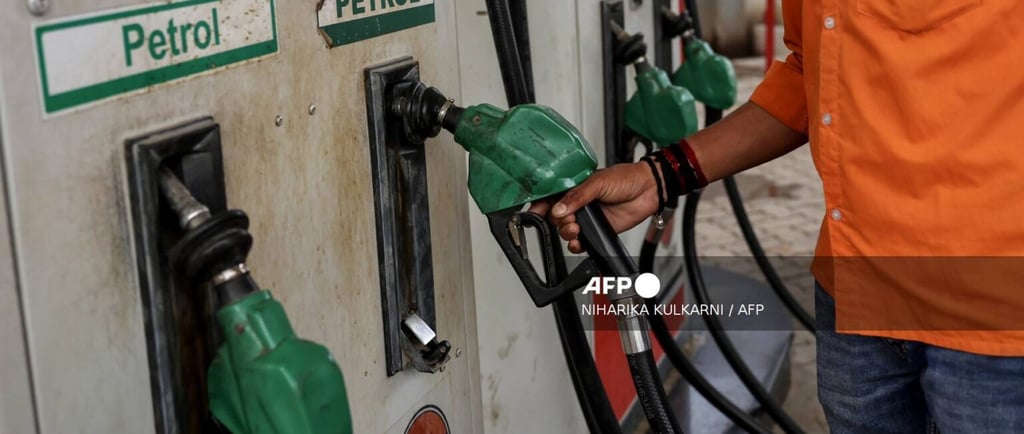
Global oil prices slipped on Tuesday while stock markets edged higher as investors held onto hopes of a potential deal between the United States and Iran that could ease tensions and reopen the critical Strait of Hormuz.
The development comes as uncertainty lingers over whether Tehran will participate in fresh peace talks, even as the White House signalled readiness to resume negotiations. JD Vance is reportedly prepared to return to Pakistan for another round of discussions aimed at ending the conflict.
The ongoing crisis has significantly impacted global energy markets, with the Strait of Hormuz — a key route for roughly one-fifth of the world’s oil supply — becoming a focal point. Oil prices had plunged last week after Iran briefly reopened the passage but rebounded after it was shut again amid accusations of continued US blockade actions.
US President Donald Trump has maintained a hard stance, insisting that sanctions and the blockade on Iran will remain until a comprehensive agreement is reached. He also warned that failure to secure a deal before the ceasefire deadline could lead to renewed hostilities.
Iranian officials, however, have pushed back, accusing Washington of violating the truce and attempting to force negotiations under pressure. The country’s leadership has signalled reluctance to engage under what it describes as coercive conditions.
Despite the tensions, financial markets showed resilience. Major equity indices across Asia and Europe recorded gains, with strong performances in cities like Seoul, Tokyo, and Hong Kong, as investors remained optimistic about a diplomatic resolution.
Analysts suggest that both sides may have incentives to de-escalate, given the economic and political pressures tied to the conflict. However, with the ceasefire deadline approaching and rhetoric intensifying, markets remain sensitive to any new developments.
The situation continues to highlight the global impact of geopolitical tensions, particularly on energy supply, inflation, and investor confidence.
Gran News delivers to best of the best News articles
Subscribe to our newsletter and never miss a story.
We care about your data in our privacy policy.