
Iran’s Hormuz Closure Dashes Hopes of Petrol Price Drop in Nigeria
Fresh shutdown of key oil route stalls expected fuel price relief as global markets react to renewed US-Iran tensions.
FEATUREDLOCAL NEWSACTIVISM
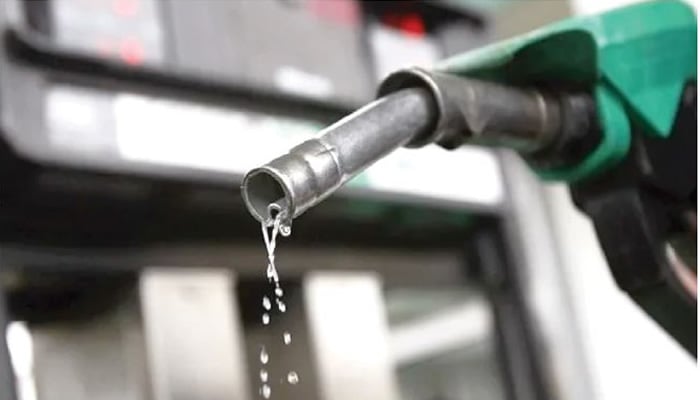
The renewed closure of the Strait of Hormuz by Iran has dampened expectations of a reduction in petrol prices in Nigeria, reversing earlier optimism triggered by a brief reopening of the critical oil passage.
The strategic waterway, which handles about 20 per cent of global oil shipments, was reopened on Friday following a ceasefire between Iran and the United States. The development initially led to a sharp drop in crude oil prices, raising hopes among Nigerian fuel marketers that pump prices could fall significantly.
However, less than 24 hours later, Iran reasserted control over the strait, citing continued US blockade of its ports. The move has disrupted shipping confidence and reignited uncertainty in global energy markets.
Industry players had projected that petrol prices in Nigeria could drop from around N1,250 per litre to as low as N900 if the reopening had been sustained. But with the renewed shutdown, those projections have now been put on hold.
Oil market reactions have remained volatile. While prices initially dropped during the ceasefire window, they have since rebounded as tensions escalated again, with supply fears returning to the market.
Spokesman of the Petroleum Products Retail Outlet Owners Association of Nigeria, Joseph Obele, said the latest development has effectively stalled any immediate price reduction, noting that the situation would depend on a lasting agreement between both countries.
Despite the renewed closure, analysts say the global oil market has not yet experienced a major price surge, although continued disruptions could trigger further increases if tensions persist.
The crisis underscores the importance of the Strait of Hormuz to global energy supply, with experts warning that prolonged instability could have far-reaching consequences for oil-importing countries like Nigeria, where fuel prices are highly sensitive to international market trends.
Gran News delivers to best of the best News articles
Subscribe to our newsletter and never miss a story.
We care about your data in our privacy policy.