
Iran warns Strait of Hormuz will remain closed unless United States lifts blockade
Iran insists it will not reopen the Strait of Hormuz until the US ends its port blockade, as tensions rise amid arrests, stalled talks, and regional security concerns.
FEATUREDWORLD NEWS
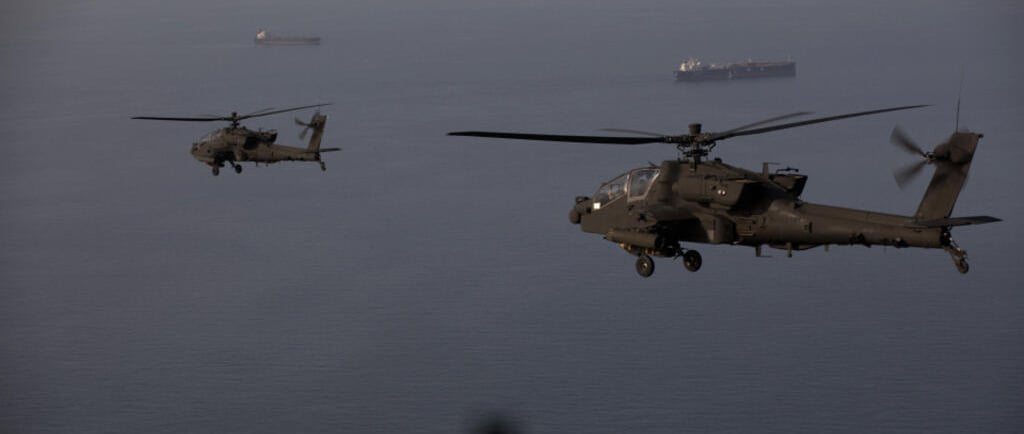
Iran has declared that it will not reopen the strategically vital Strait of Hormuz unless the United States ends its blockade of Iranian ports, escalating tensions in an already fragile geopolitical situation.
Iranian Deputy Foreign Minister Saeed Khatibzadeh said Tehran remains firm on its position, criticising Washington for maintaining what he described as “maximalist” demands. He also confirmed that no date has been set for a new round of face-to-face talks between both countries.
The development comes amid mixed signals from Tehran, where officials have alternated between openness to diplomacy and readiness for further confrontation. While some leaders hinted at a possible reopening of the Strait, Iran’s Revolutionary Guard has maintained that restrictions would continue, accusing the US of “piracy”.
In a related move, Iranian authorities announced the arrest of 51 individuals in Kerman City, accusing them of espionage and links to intelligence networks tied to the US, Israel, and the United Kingdom. Officials said the suspects were involved in intelligence gathering, armed coordination, and inciting unrest.
Meanwhile, preparations for a potential second round of US-Iran negotiations appear to be underway in Islamabad. Reports indicate heightened security measures across the city, with major hotels being cleared and thousands of security personnel deployed ahead of possible talks.
The uncertainty surrounding the Strait of Hormuz—a key global oil transit route—has already impacted financial markets, with Gulf equities dipping as investors react to renewed tensions. The waterway, which handles a significant portion of global oil shipments, remains central to the ongoing crisis.
As diplomatic efforts continue behind the scenes, the standoff underscores the high stakes for global energy markets and regional stability, with both sides yet to find common ground.
Gran News delivers to best of the best News articles
Subscribe to our newsletter and never miss a story.
We care about your data in our privacy policy.