
FG Increases Terrorism Prosecution Budget to N1.371bn in 2026
Allocation for Boko Haram and terrorism-related cases rises by 159% as government boosts security and justice sector funding.
ACTIVISMFEATURED

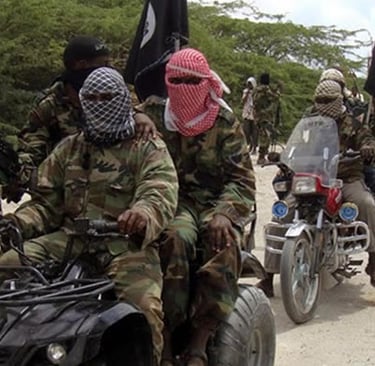
The Federal Government has significantly increased funding for the prosecution of terrorism-related cases, earmarking N1.371bn in the 2026 budget for handling offences linked to Boko Haram and other security threats.
The allocation, captured under the Federal Ministry of Justice, represents a sharp rise from the N530m approved for similar cases in 2025, reflecting a 159 per cent year-on-year increase. The provision highlights a growing focus on strengthening legal responses to insurgency, banditry, and other violent crimes across the country.
President Bola Ahmed Tinubu recently signed the N68.32tn 2026 Appropriation Bill into law, with N5.41tn dedicated to defence and security—about 7.9 per cent of the total budget. The spending plan prioritises both infrastructure development and national security, with a significant portion directed at tackling persistent threats.
Further analysis shows that the N1.371bn allocation now accounts for about 14.1 per cent of the Ministry of Justice headquarters’ capital expenditure, up from 7.9 per cent in 2025. This shift indicates a stronger emphasis on prosecuting terrorism cases, which are becoming increasingly complex and resource-intensive.
The overall budget for the ministry’s headquarters also rose to N23.685bn in 2026, compared to N19.861bn in 2025, covering personnel, overhead, and capital projects. Key areas of spending include infrastructure upgrades, international legal cases, and reforms within the criminal justice system.
The increased allocation aligns with earlier calls by the Attorney-General of the Federation, Lateef Fagbemi, who urged the judiciary to fast-track cases involving terrorism, kidnapping, and human trafficking. He stressed the need for a more decisive legal framework to support national security efforts and ensure accountability for violent crimes.
The upward revision is seen as part of broader government efforts to address rising insecurity while reinforcing the role of the justice system in maintaining law and order.
Gran News delivers to best of the best News articles
Subscribe to our newsletter and never miss a story.
We care about your data in our privacy policy.