
Debate Grows Over Nigeria’s Rising Debt as FG Targets Highway Funding
Former Vice President Atiku Abubakar and economists have raised concerns over President Bola Tinubu’s request for a $516m external loan to fund sections of the Sokoto–Badagry Super Highway, citing debt sustainability and transparency issues.
LOCAL NEWSACTIVISM
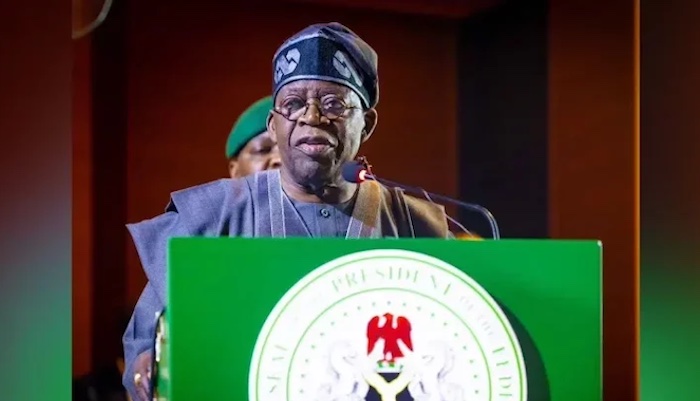
Former Vice President Atiku Abubakar and several economists have expressed concern over a fresh request by Bola Tinubu seeking Senate approval for a $516 million external loan to fund parts of the Sokoto–Badagry Super Highway project.
The President formally wrote to the Nigerian Senate, requesting approval for a $516,333,070 loan, which is expected to be sourced from Deutsche Bank. The letter, addressed to Senate President Godswill Akpabio, was read during plenary on Thursday, initiating legislative consideration.
Project Scope and Strategic Importance
According to the Presidency, the loan will finance Sections 1, 1A, and 1B of the proposed 1,000-kilometre highway, a flagship infrastructure initiative aimed at linking multiple states across the country.
The road is expected to connect Sokoto, Kebbi, Niger, Kwara, Oyo, Ogun, and Lagos states, stretching from Illela in Sokoto State to Badagry in Lagos, with the goal of improving trade, mobility, and regional integration.
Atiku Raises Concerns Over Debt
While acknowledging the importance of infrastructure development, Atiku cautioned against what he described as growing debt exposure and lack of transparency in borrowing decisions.
In a statement issued by his aide, he warned that Nigeria’s increasing reliance on external loans without clear terms could have long-term consequences.
“At a time when Nigeria is already groaning under the weight of unsustainable debt, the resort to yet another foreign loan—without transparent terms, clear cost-benefit analysis, and a credible repayment framework—raises profound questions about prudence and accountability,” he said.
He further urged lawmakers to exercise caution in approving the request, stressing that development must not come at the expense of future generations.
“Nigeria must build, but Nigeria must not borrow blindly. Progress anchored on opacity and debt accumulation is neither progress nor leadership—it is postponement of crisis,” Atiku added.
Economists Divided
Economists have also reacted to the proposal with mixed views, reflecting broader concerns about Nigeria’s fiscal position.
Akpan Ekpo, a Professor of Economics and Public Policy, warned that the country’s growing dependence on external borrowing is becoming increasingly risky.
“The economy is getting too exposed to external debt. The debt profile is rising alarmingly, and it is worrisome,” he said.
Ekpo questioned whether adequate cost-benefit analysis had been conducted, particularly regarding whether projected revenues—such as toll collections—would be sufficient to repay the loan within a reasonable timeframe.
He also highlighted concerns about Nigeria’s revenue structure, noting its heavy dependence on oil.
“GDP does not pay debt—revenue pays debt, and our revenue profile is shaky. Most of our revenue comes from oil, which we do not control. I worry that borrowing is getting too much,” he added.
Balancing Development and Fiscal Responsibility
While some analysts argue that borrowing for infrastructure is necessary to drive economic growth, critics insist that transparency, sustainability, and clear repayment plans must guide such decisions.
As the National Assembly begins deliberations, the loan request is expected to spark further debate over how Nigeria balances its development ambitions with rising debt obligations.
Gran News delivers to best of the best News articles
Subscribe to our newsletter and never miss a story.
We care about your data in our privacy policy.